

What you do todaycould changeeverything.
Dementia, diabetes, and heart disease are shaped in part by how we live. INSPIRE brings the science and the coaching, plus people who'll do it alongside you. Your congregation runs it; Charles R. Drew University is the research partner.
*Lancet Commission on dementia prevention, 2024: 45% of dementia cases worldwide are linked to 14 risk factors that can change. Read the science
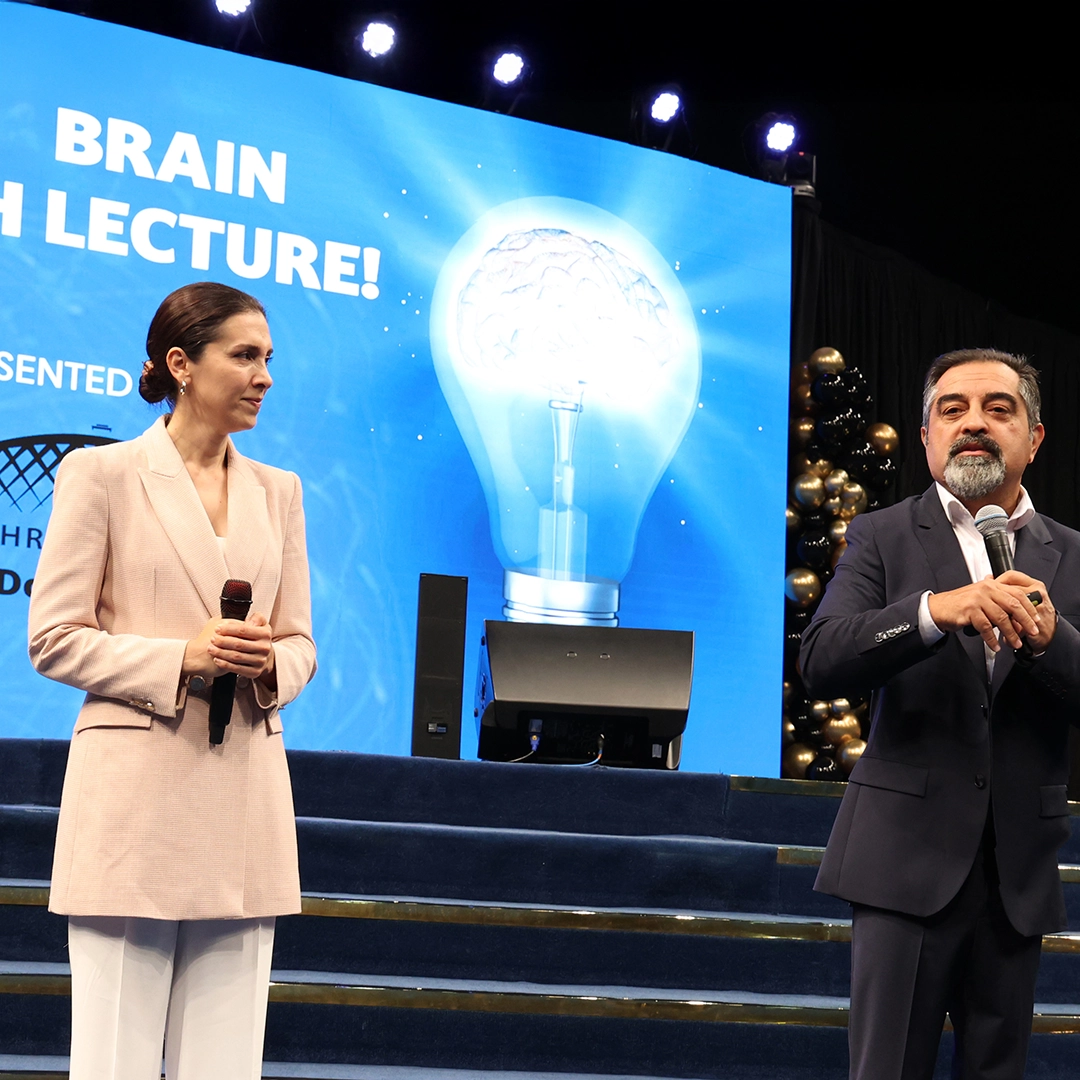




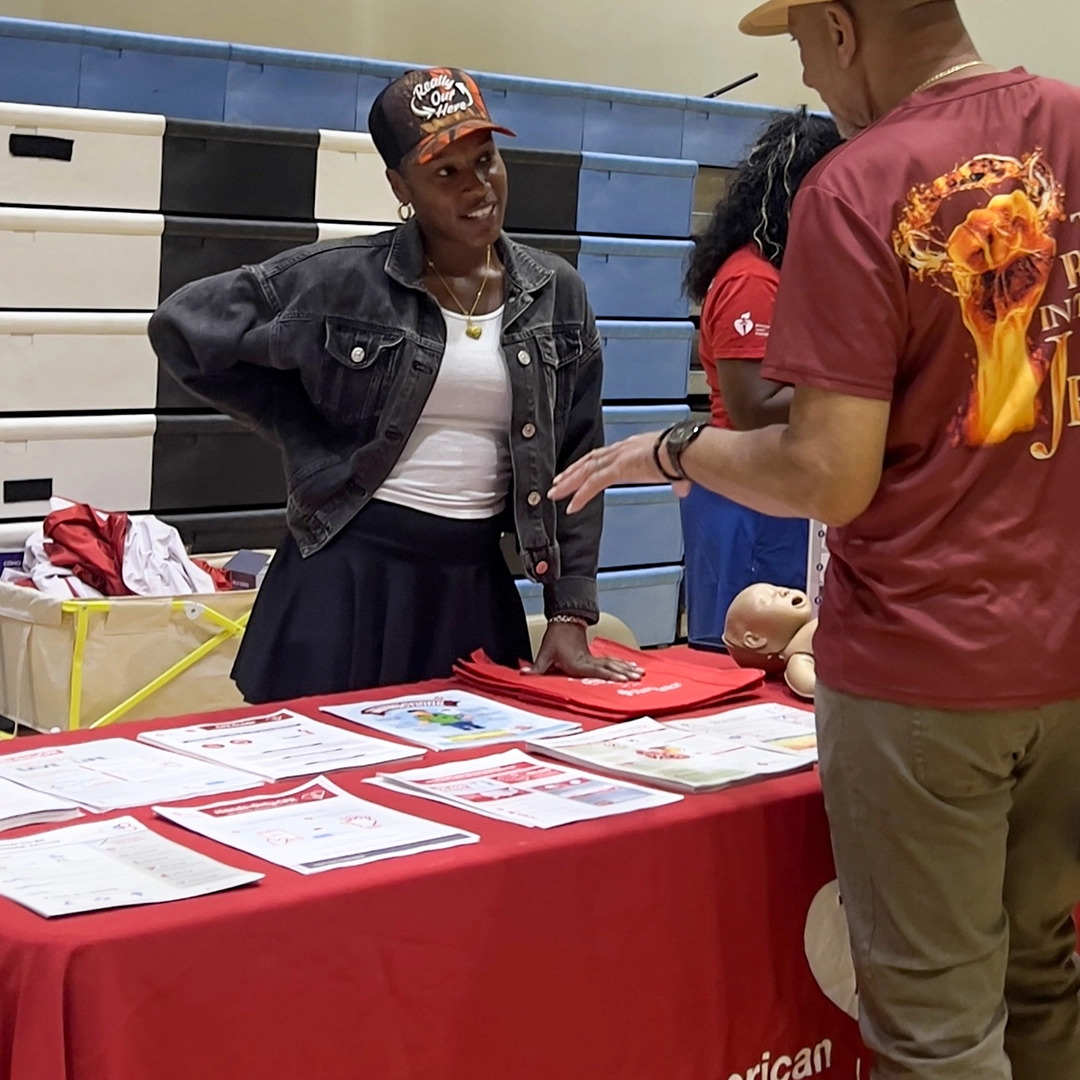
What is INSPIRE?
Intervention Strategies for Preserving Intellectual Resilience and Engagement
INSPIRE is a lifestyle program built on research linking everyday habits to lower risk of stroke, dementia, and Alzheimer's. Memory is the reason most people come, though blood pressure and sleep usually move too.
400+
Participants across LA
Built with the community,
for the community
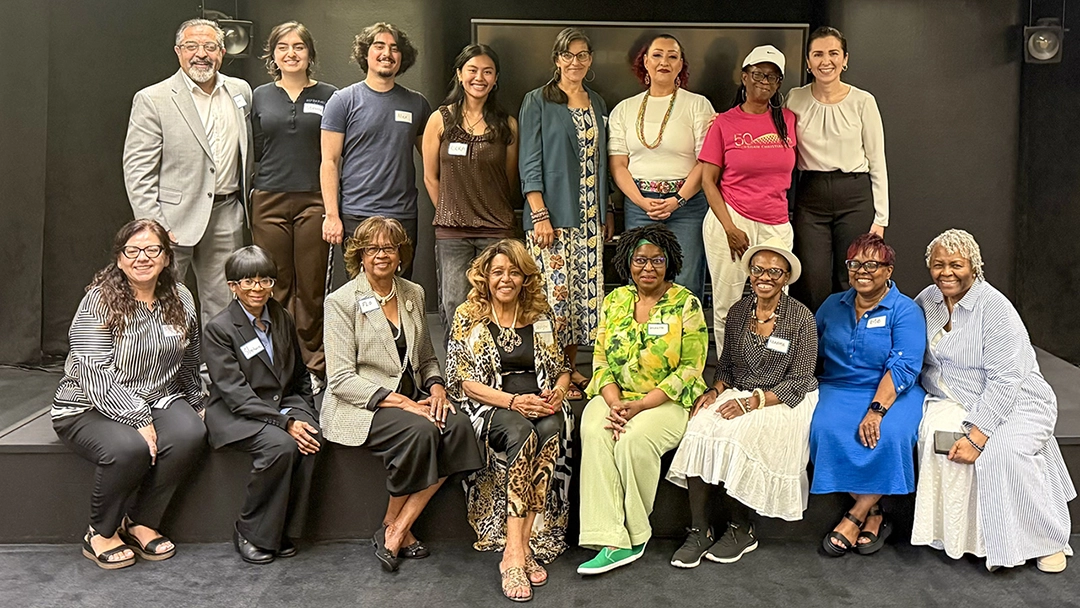
We believe the best health programs come from listening to the people they serve. INSPIRE was created in partnership with community leaders, faith organizations, and residents who know their neighborhoods best.
Evidence-Based Approach
Built on decades of research in brain health and wellness
Culturally Respectful
Designed with and for communities of all backgrounds and sizes
People, Not Portals
Trained community advisors from your own neighborhood
Five Pillars of Brain Health
Based on the 'NEURO' framework from neurologists and public health advocates Drs. Ayesha and Dean Sherzai.
Nutrition
Simple, practical guidance on eating for brain health
Exercise
Gentle exercises that fit your life and abilities
Unwind
Tools for managing stress and finding calm
Sleep
Better sleep habits for a sharper mind
Optimize
Learn, connect, and build brain resilience together
You are the spark that lights the fire.
Most of us were never told that ordinary daily choices (what's on the plate, how much we move, how well we sleep, who we sit with) are the same things that help protect the brain.
INSPIRE starts with you
Five steps,
one year.
Is INSPIRE Right for You?
INSPIRE welcomes anyone who cares about brain health, whether that's your own, a loved one's, or your whole community's.
Individuals Concerned About Brain Health
If you're interested in protecting your memory and cognitive function, INSPIRE offers practical, supportive guidance.
- Anyone with family history of Alzheimer's
- Those seeking prevention strategies
Caregivers & Family Members
Caring for someone? You'll find material here, plus people who already know what that takes.
- Spouse or partner caregivers
- Adult children supporting parents
- Those seeking connection and support
Faith & Community Leaders
Bring INSPIRE to your congregation or community. Partner with us to support your members' health and wellness.
- Church health ministries
- Community organization leaders
- Those who want to make a difference
Partner Organizations
Join the organizations already running INSPIRE in their communities. More partners means more households reached.
- Healthcare organizations
- Senior centers
- Community health initiatives
One household changes, and the block notices.
INSPIRE grows across Los Angeles household by household. When you join, the people around you usually start asking questions.
This isn't hope.
It's evidence.
Decades of research point to daily habits as some of the strongest predictors of brain health. That's what INSPIRE is built on.
Figures come from peer-reviewed research: Lancet Commission on dementia prevention, intervention and care, 2024 · Alzheimer's Association, 2024. INSPIRE doesn't promise any individual health outcome. Changing daily habits is associated with lower risk, and results vary from person to person.
INSPIRE Project Methodology
How the INSPIRE Project is designed and run: who takes part, how groups are assigned, what we measure, and how your data is protected.
Inclusion Criteria
Participants will be adults aged 55 and older, without a diagnosis of dementia but at risk for cognitive decline. They must also be willing to participate in lifestyle intervention programs.
Interventions
The intervention group will receive structured lifestyle interventions tailored to Alzheimer's prevention and cognitive health, including dietary guidance, exercise programs, cognitive training, and social engagement activities. The control group will receive standard care or placebo interventions as appropriate.
Data Collection
Data collection will include baseline assessments (including cognitive tests, medical history, and lifestyle questionnaires) and follow-up assessments at regular intervals (e.g., 6 months, 12 months). Cognitive function will be assessed using a quick online electronic test, ensuring standardized and objective measurements.
Statistical Considerations
Statistical analyses will be conducted to compare outcomes between the intervention and control groups. Key statistical considerations include: sample size determination to ensure adequate power to detect meaningful differences, analysis of covariance (ANCOVA), and mixed-effects models.
Ethical Standards and Federal Regulations
The project will adhere to ethical principles outlined in the Belmont Report, including respect for persons, beneficence, and justice. Specific measures to ensure compliance with federal regulations (e.g., HIPAA) and protection of human subjects include: informed consent processes, Institutional Review Board (IRB) approval, and data security and confidentiality.
What It Adds Up To
Holding to these protocols lets the INSPIRE Project show which prevention strategies hold up in communities that research has long skipped, and in a form other sites can copy and repeat.
For Faith & Community Leaders
Bring INSPIRE to your congregation or community organization. Partner with us to support the health and wellbeing of your members.
Faith-Aligned
Wellness that sits inside your faith tradition instead of beside it
Full Support
We provide training, materials, and ongoing guidance for your health ministry
True Partnership
You know your community best, so we work alongside you rather than over you
Ready to explore how INSPIRE can serve your community?
Connect With UsWhat people
actually notice.
"I joined because my mother had Alzheimer's and I was scared. Four months in, I sleep better, I walk most mornings, and I talk to my kids about food in a way I never did before."
"My doctor told me I was pre-diabetic and I figured that was that. INSPIRE showed me it didn't have to be. I'm not fixed, but I know what I'm doing and why."
"I signed my mother up. Then she told her friends at church. Now three of us watch the sessions together every week, and it's become something we do as a family."
FAQs

Your next step could be the one that changes everything.
More than 400 neighbors have already signed up. It's free, it fits around your week, and it runs through your own congregation.
We keep your details private. By joining, you agree to our Privacy Policy · Terms of Participation.